 Onchain execution infrastructure
GovernChainThe execution layer for onchain Governance
GovernChain is the blockchain governance layer built for onchain governance execution: propose, vote, verify quorum and timelocks, then execute the approved transaction onchain - across any protocol, chain or treasury.
The Governance Layer for Every Blockchain.
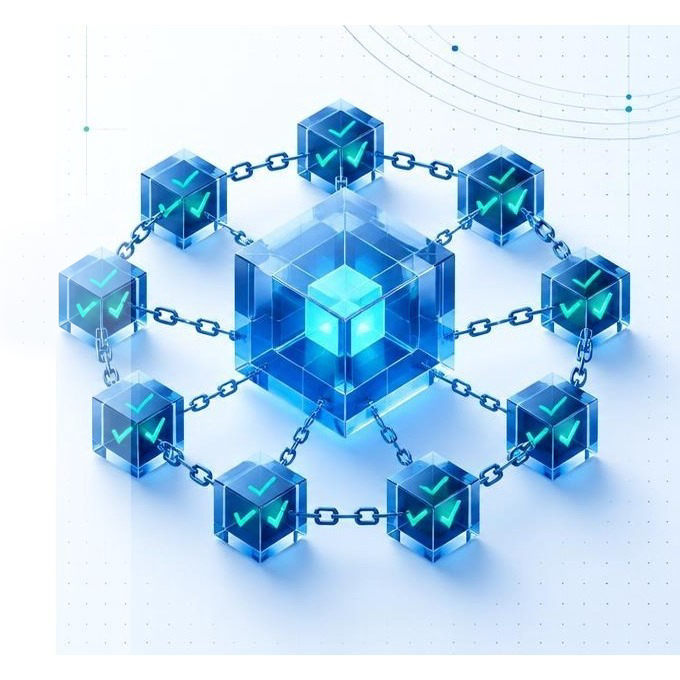
What is GovernChain?
GovernChain is the onchain governance execution layer for DAOs, protocols and treasuries. GovernChain verifies quorum, thresholds, delegation, multisig approvals and timelocks on an approved proposal, then executes the transaction onchain and records a permanent audit trail. Read more about GovernChain.
A blockchain governance layer, not another voting forum
A blockchain governance layer is the infrastructure sitting between a decision and its onchain result. It holds proposal payloads, voting power and delegation, quorum and threshold rules, multisig approvals and timelock delays, and it is the component that finally signs and broadcasts the transaction. GovernChain provides that layer for DAOs, protocols and treasuries on every chain, so governance tooling and execution stop living in two disconnected systems.
Onchain governance execution, end to end
Onchain governance execution is the last mile after a vote passes: re-checking quorum, thresholds and delegated weight, collecting multisig signatures, waiting out the timelock, dispatching the exact approved payload, and writing the transaction hash to a permanent audit trail. GovernChain automates that whole sequence for treasury transfers, parameter changes, contract upgrades, cross-chain calls and emergency actions.
Start here
The most useful place to begin if you are setting up or fixing governance.
- How to build your own DAO
Decide what governance controls, pick a membership model, set quorum and timelocks, and rehearse a real execution before you need one.
- Blockchain governance tools for execution
Where forums, voting platforms, governor contracts and multisig wallets stop, and what execution infrastructure adds on top.
- Governance timelocks and how to size them
What the delay actually protects, how to set tiers per proposal class, and who should hold cancel rights.
- Fixing low DAO voter turnout
Measure participation honestly, then cut the cost, clarity and consequence problems that keep voters away.
- Governing smart contract upgrades
Proxy ownership, approving the implementation address, storage layout review, and keeping a rollback ready.
- Crypto treasury management
Policy, signer sets and reporting for a DAO treasury, plus the execution path that moves funds safely.
The pipeline
Proposal → Voting → Approval → GovernChain → Onchain execution.
- 1
Propose
Create and configure the governance action and its exact onchain payload.
- 2
Govern
Token holders and delegates vote with transparent, weighted power.
- 3
Verify
Quorum, threshold, multisig and timelock conditions are checked automatically.
- 4
Execute
The approved transaction is dispatched directly onchain, on any chain.
- 5
Record
A permanent, auditable execution record with transaction hash.
What GovernChain handles
- Proposal creation
- Voting & delegation
- Quorum & threshold validation
- Multisig coordination
- Timelocks
- Cross-chain execution
- Treasury transactions
- Parameter changes
- Upgrade execution
- Emergency actions
- Smart-contract calls
- Execution audit trail
Blockchain governance layer FAQ
- What is a blockchain governance layer?
- It is the infrastructure that turns a governance decision into an onchain result: proposal payloads, voting power, quorum and threshold rules, timelocks, multisig approvals and transaction execution in one pipeline.
- What is onchain governance execution?
- The step after a vote passes: verifying conditions, then dispatching the approved transaction onchain and recording its hash. See DAO proposal execution.
- Which governance actions can be executed?
- Treasury transactions, protocol parameter changes, contract upgrades, arbitrary smart contract calls, cross-chain execution and emergency governance actions.
- Does it work across multiple chains?
- Yes. The same verify-and-execute pipeline runs across chains, rollups and multisig-controlled treasuries, which is why GovernChain is the governance layer for every blockchain.
Governance execution guides
All 33 guides on DAOs, proposals, voting, multisig, timelocks, treasury and onchain execution.
Execution
DAO proposal execution: turning a passed vote into an onchain transaction
How a DAO proposal goes from passed vote to settled onchain transaction, why approvals stall, and how to automate the last mile of execution.
Execute your next approved DAO proposal →

Fundamentals
Onchain governance explained
What onchain governance is, how it differs from offchain signalling, and how approved votes become real transactions on a blockchain.
See onchain governance execute end to end →
Treasury
DAO treasury management without the spreadsheet
A practical guide to DAO treasury management and crypto treasury operations: approvals, signer sets, payout batching and audit-ready records.
Run your next treasury payout with proof →

Security
Multisig coordination for governance execution
How to coordinate a multisig wallet across timezones so approved governance transactions get signed and broadcast before the window closes.
Coordinate your multisig signers in one place →

Security
Governance timelocks and how to size them
A practical guide to the governance timelock: what the delay protects, how to size it per proposal class, how cancellation works, and how to execute the moment it matures.
Queue your next action behind a timelock →

Fundamentals
Setting quorum and threshold for a DAO that can still decide
How to set DAO voting quorum and approval thresholds that protect the protocol without stalling every proposal in the pipeline.
Verify quorum automatically before you execute →

Fundamentals
Token delegation and the turnout problem
How governance token delegation works, why delegated power decides most votes, and how to keep delegates active and accountable.
Turn delegated votes into executed decisions →
Execution
Cross-chain governance execution
How web3 governance works when a protocol lives on several chains, and how one approved decision executes safely across all of them.
Execute one decision across every chain →
Execution
Governing smart contract upgrades
How governed smart contract upgrades work end to end: proxy patterns, approving the implementation address, payload review, timelocks, execution and a verifiable post-upgrade record.
Ship your next upgrade with verified calldata →
Security
Emergency governance actions that do not become backdoors
Designing emergency governance actions: guardian scope, pause powers, higher signature requirements and mandatory disclosure after the fact.
Define your emergency path before you need it →
Compliance
Building a governance audit trail
How to build an onchain audit trail that links every governance decision to the exact transaction hash that implemented it.
Get a permanent record of every execution →

Fundamentals
The DAO tooling stack, layer by layer
A clear map of modern DAO tooling - forums, voting, multisig, timelocks and execution - and which layer actually moves funds onchain.
Add the missing execution layer to your stack →
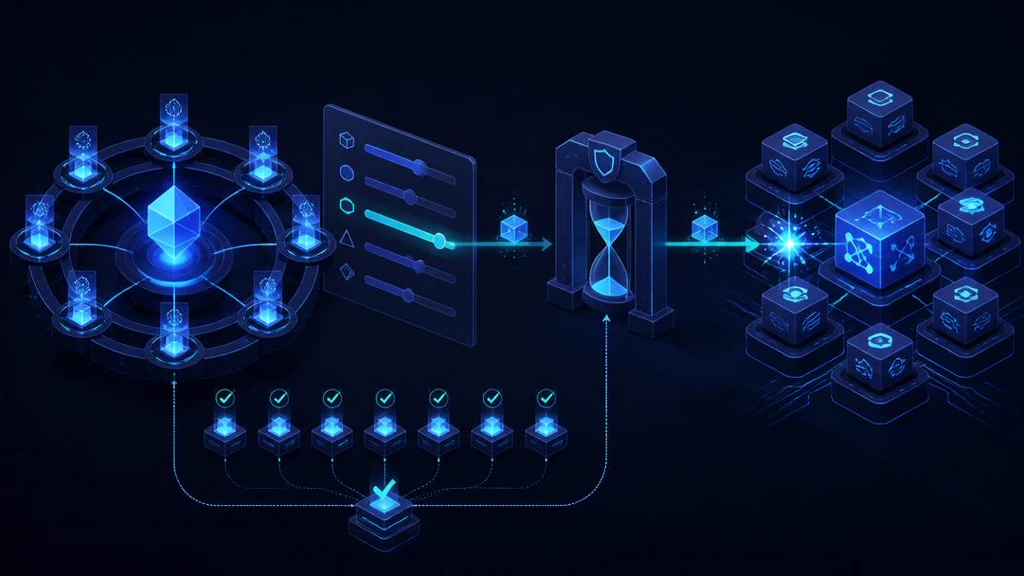
Execution
Governing protocol parameter changes
How to ship protocol parameter changes quickly without weakening safety: bounded ranges, proposal classes and automated verification.
Push a parameter change in minutes →

Security
Governance attacks and the controls that stop them
Common governance attack patterns - flash-loan votes, malicious calldata, signer capture - and the execution controls that stop them.
Harden execution against governance attacks →
Fundamentals
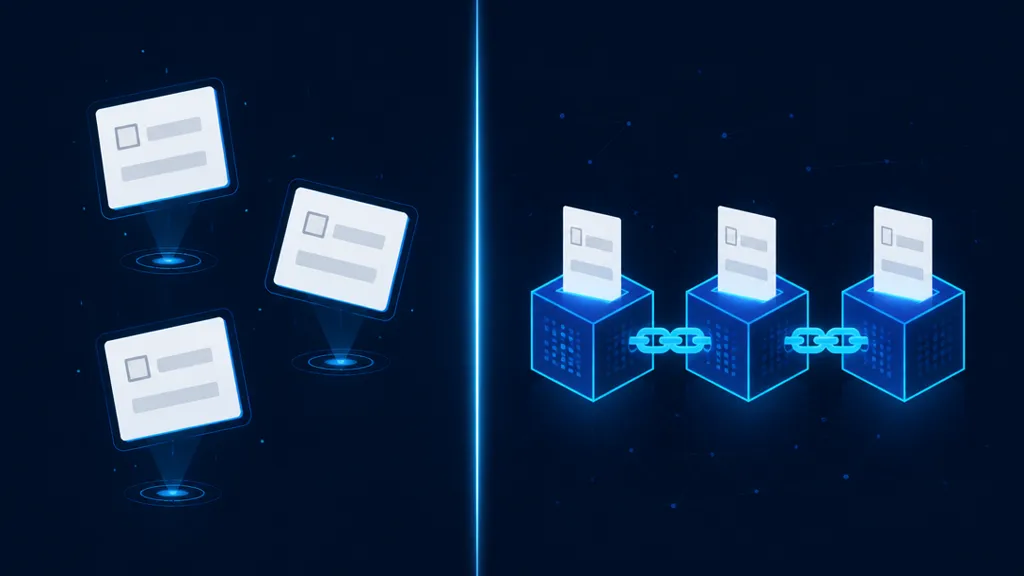
Snapshot vs onchain voting
Snapshot voting is gasless signalling; onchain voting is binding. Here is when to use each, and how to bridge signal to execution.
Bridge Snapshot results to onchain execution →
Getting started
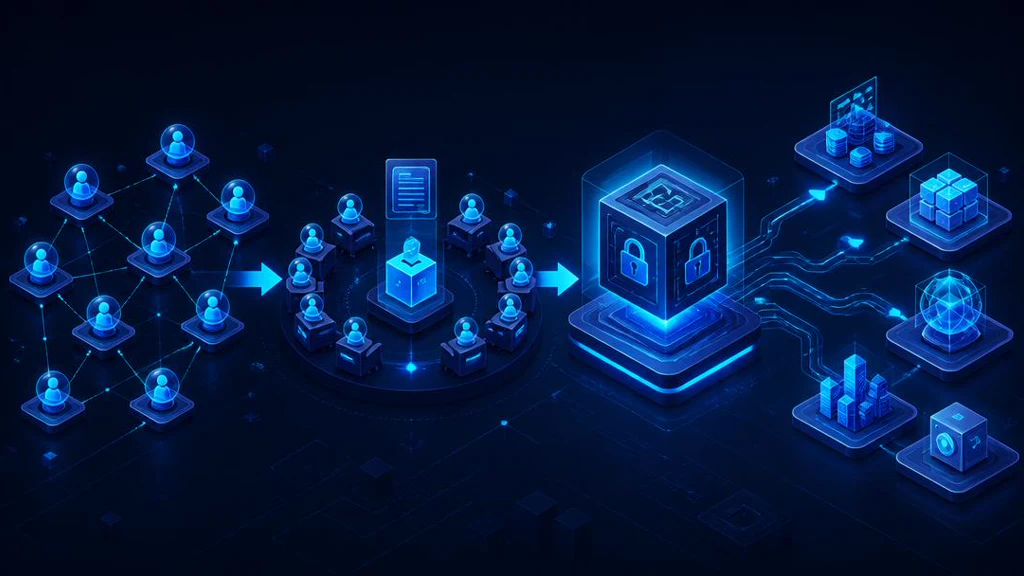
How to start a DAO with governance that works
The best way to start a DAO: choose what governance controls, set quorum and thresholds, pick a token or membership model, wire a multisig and timelock, and run a real execution end to end.
Set up your DAO execution path today →
Treasury
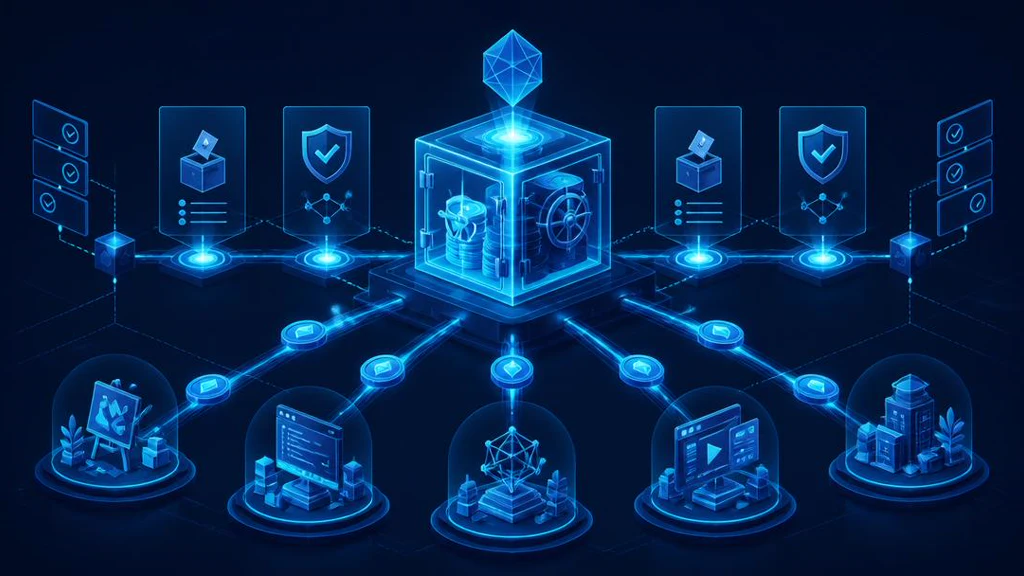
Running a DAO grants program
How to run a DAO grants program with milestone payouts, signer coverage and a public record of every disbursement.
Pay your next grant milestone onchain →

Community
Fixing low DAO voter turnout
Why DAO voter turnout collapses, how to measure participation honestly, and the delegation, scheduling and UX fixes that bring voting power back to proposals.
Give voters proposals worth showing up for →
Use cases
Governance for DeFi protocols
How DeFi governance handles risk parameters, oracle changes and emergency actions without slowing down normal operations.
Run DeFi governance with verified execution →

Use cases
Governance for NFT communities
How NFT DAO governance handles treasury spending, royalty splits and voting when membership is defined by tokens people trade.
Execute community decisions transparently →
Use cases
Governance for L2s and rollups
How rollup governance coordinates upgrades between L1 contracts and L2 systems with security councils, timelocks and audit records.
Coordinate rollup upgrades in one console →
Getting started
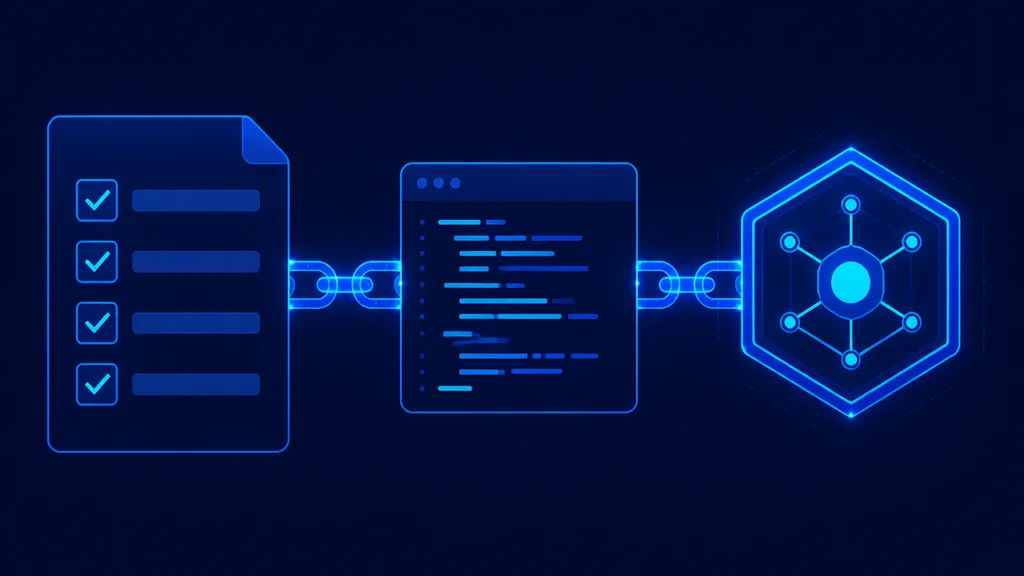
A governance proposal template that leads to execution
A reusable governance proposal template with the execution details - target, calldata, quorum, timelock - filled in before the vote.
Start from an execution-ready template →

Community
Governance metrics that actually predict DAO health
The DAO governance metrics that predict healthy execution: turnout, delegate concentration, time-to-execute and proposal failure rate.
Track execution, not just votes →
Compliance
Compliance reporting for DAOs
How to produce DAO compliance reporting from onchain evidence: who approved, what executed, when it settled and where funds moved.
Export an audit-ready execution report →
Execution
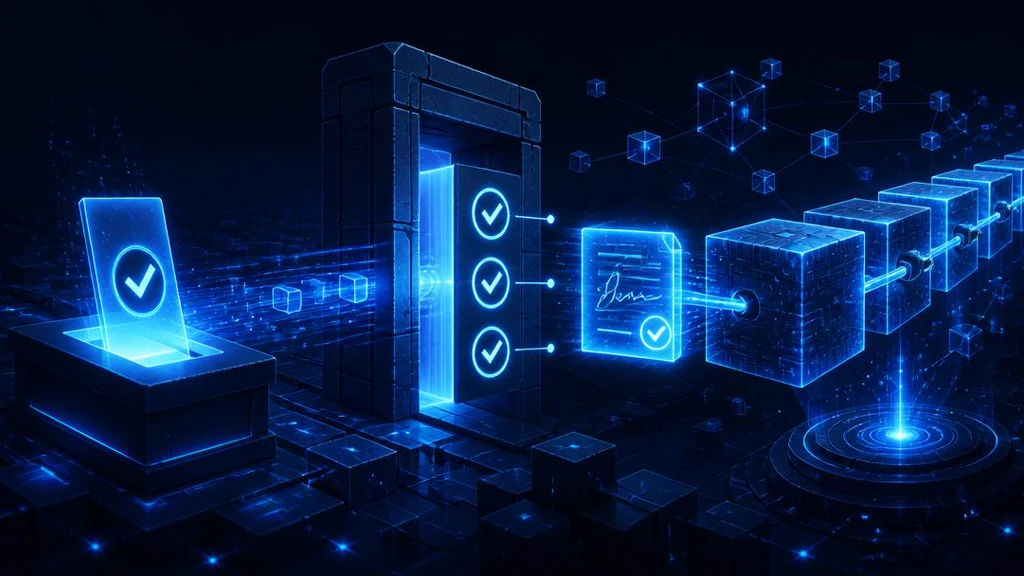
Approved? Execute it.
Most blockchain governance tools stop at the vote. See what execution infrastructure adds: verification, multisig signing, timelocks, onchain broadcast and a permanent record.
Approved? Execute it with GovernChain →
Fundamentals
What is a DAO?
A plain-English explanation of what a DAO is, how decentralized autonomous organizations vote, and how approved decisions execute onchain.
See what a DAO looks like with execution built in →
Treasury
Crypto treasury management that survives an audit
A practical crypto treasury management guide: approval policy, signer coverage, payout batching, runway planning and audit-ready execution records.
Move treasury funds with verified approvals →

Fundamentals
DAO examples and what they teach about execution
Real DAO examples across protocols, treasuries, grants and collectives - what they govern, how they vote, and how their decisions execute onchain.
Whatever your DAO governs, execution is the same problem →
Fundamentals
DAO meaning and definition
DAO meaning explained in plain language: what a decentralized autonomous organization is, how it makes decisions, and how those decisions execute onchain.
See what a DAO decision looks like when it executes →
Fundamentals
DAO crypto explained
How DAOs work in crypto: governance tokens, voting power, treasuries and the onchain execution that turns approved votes into real transactions.
Turn crypto governance votes into settled transactions →
Operations
How to set up a multisig wallet for a DAO treasury
A practical guide to setting up a multisig wallet: choosing signers, picking a threshold, testing recovery, and connecting the wallet to governance execution.
Coordinate your signers without chasing them →

Operations
Best multisig wallet setups for DAOs
Compare multisig wallet setups for DAO treasuries: signer counts, thresholds, timelock pairings and the trade offs between safety and execution speed.
Run any signer configuration on one execution layer →
Tooling
Choosing a DAO development company or tooling stack
What to look for when hiring a DAO development company or assembling a DAO tooling stack, and which parts you should never outsource.
Keep the execution layer in your own hands →